AI Research Tools 2026: How to Choose the Right One
Finding reliable information used to take hours of manual digging. Today, AI research tools compress that work into minutes. As a result, students, scientists, and businesses across the world are turning to these platforms to speed up discovery and cut through information overload.
In 2026, this space is moving faster than ever. New agent-based systems, smarter literature reviewers, and cheaper large language models are reshaping how research actually gets done. This guide breaks down the latest updates and shows you exactly how to pick the right tool for your needs.
Why AI Research Tools Matter in 2026
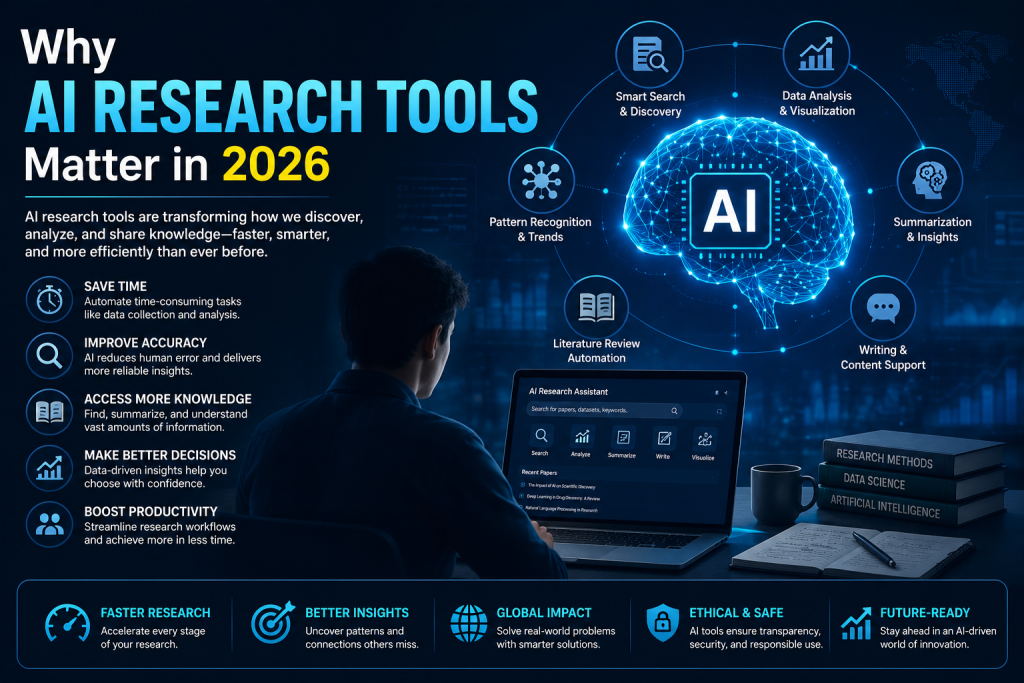
Research used to be a slow, linear process. However, modern AI research tools now handle multiple steps at once — searching, summarizing, and even proposing hypotheses.
Here’s why this matters:
- Speed: Tasks that took days now take hours.
- Accessibility: Independent researchers get capabilities once limited to large labs.
- Accuracy: Many tools now cite sources directly, reducing guesswork.
- Cost: Inference costs have dropped sharply in 2026, making advanced tools more affordable for everyday users.
Additionally, agent-based systems are moving beyond simple Q&A. For example, Google DeepMind’s Co-Scientist and FutureHouse’s Robin can now propose research hypotheses based on existing scientific literature, according to studies published in Nature this year. Meanwhile, DeepMind’s Empirical Research Assistance tool goes a step further by generating scientific software for researchers to use directly.
Key Features to Consider
Not all AI research tools are built the same. Therefore, before choosing one, check these factors carefully.
Accuracy and Source Citation
A good tool should link back to original sources. Consequently, this helps you verify claims instead of blindly trusting AI output.
Context Window Size
Larger context windows let a tool “remember” more of your project at once. Notably, several 2026 Ai update models now offer million-token context windows, which is useful for long documents or datasets.
Integration and Workflow Fit
Look for tools that connect with your existing apps, such as note-taking software or citation managers. This saves time and avoids copy-pasting between platforms.
Cost Structure
Some platforms now use credit-based pricing instead of flat subscriptions. As a result, it’s worth comparing your expected usage against the pricing model before committing.
Types of AI Research Tools
1. Literature Review Assistants
These tools scan academic papers, summarize findings, and highlight gaps in existing research. They’re ideal for students and academics.
2. Hypothesis-Generation Agents
Newer AI research tools, like Co-Scientist, actively suggest research directions based on prior literature rather than just summarizing it.
3. Data and Coding Assistants
Tools such as Claude and specialized coding agents help researchers build simulations, analyze datasets, and generate scientific software.
4. General-Purpose AI Assistants
Broader models remain useful for quick fact-checking, drafting, and brainstorming across any field.
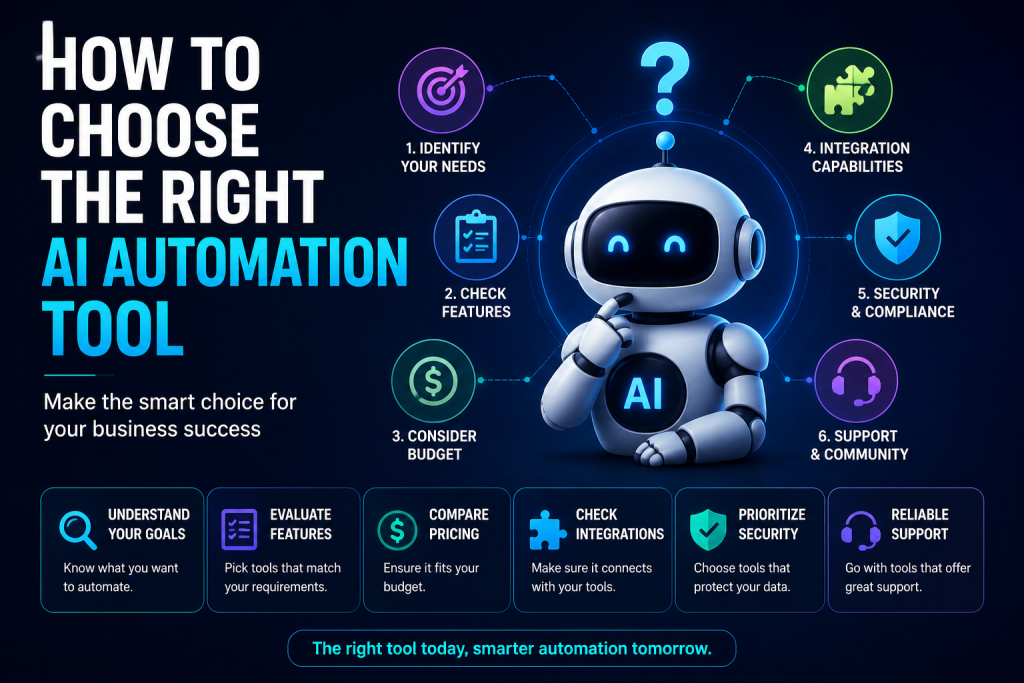
How to Choose the Right Tool
- Define your task first. A literature review needs different features than data analysis.
- Test the free tier. Most platforms offer limited free access before you commit to a paid plan.
- Check citation reliability. Cross-check a few AI-generated citations manually.
- Compare pricing models. Credit-based systems can be cheaper or costlier depending on your usage pattern.
Common Mistakes to Avoid
- Trusting output blindly. Always verify facts and citations independently.
- Ignoring data privacy. Read the tool’s data policy before uploading sensitive research.
- Overpaying for unused features. Match the plan to your actual workload.
- Sticking with one tool. Combining two or three specialized tools often works better than relying on a single all-in-one platform.
Maintenance and Best Practices
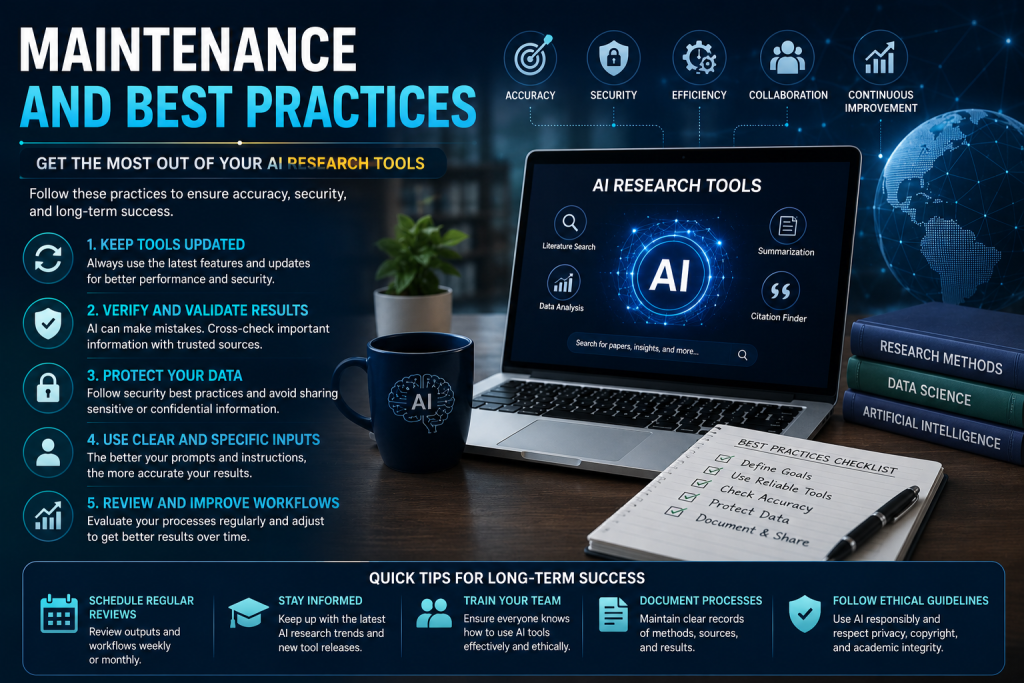
Keep your AI research tools updated, since providers frequently release model upgrades. Additionally, review your subscription every few months, as pricing and features change quickly in this fast-moving market. Finally, back up important findings outside the platform in case of service changes.
Conclusion
The landscape for AI research tools in 2026 is evolving quickly, with agent-based systems, larger context windows, and falling costs making advanced research more accessible than ever. Whether you’re a student, scientist, or business professional, choosing the right tool comes down to matching features to your specific workflow. Start by testing a free tier today, and let the right AI research tool save you hours of manual work.
Frequently Asked Questions
What are the best AI research tools in 2026?
Some of the top options include Google DeepMind’s Co-Scientist, FutureHouse’s Robin, Claude, and various specialized literature-review assistants. However, the “best” tool depends on your specific task, such as literature review, data analysis, or hypothesis generation.
Are AI research tools free to use?
Many AI research tools offer a free tier with limited features. Additionally, most platforms now use credit-based pricing, so costs scale with how much you actually use.
Can AI research tools replace human researchers?
No. Developers of tools like Co-Scientist and Robin have stated their goal is to assist human researchers, not replace them. As a result, human judgment and verification remain essential.
How accurate are AI research tools?
Accuracy varies by tool and task. Therefore, it’s important to check citations and cross-verify AI-generated claims, especially for academic or professional work.
Do AI research tools work for non-academic research?
Yes. Beyond academia, businesses and independent professionals use for market research, competitive analysis, and general fact-finding.